Best Places to Visit in Bali: 15 Incredible Destinations You Shouldn’t Miss
Bali is one of those destinations that can surprise you every time you explore somewhere new. One morning, you might find yourself walking through emerald-green rice terraces surrounded by tropical forests. A few hours later, you could be standing on dramatic limestone cliffs overlooking the Indian Ocean, visiting an ancient Hindu temple, or swimming beneath a beautiful waterfall. This remarkable diversity is what makes Bali such a memorable destination for travelers from around the world.
Whether you’re visiting for the first time or returning to discover something different, there are countless best places to visit in Bali that deserve a place on your itinerary. The island offers much more than famous beaches and luxury resorts. From traditional villages and sacred temples to volcanic mountains, spectacular waterfalls, and beautiful coastal landscapes, Bali has something for every type of traveler. For travelers looking for help planning their journey and exploring the island, https://horizonbali.com/tour/ offers inspiration and tour options across Bali.
Some destinations are particularly popular because of their iconic scenery, while others offer quieter experiences away from the busiest tourist areas. You can explore the cultural atmosphere of Ubud, enjoy spectacular sunsets at Uluwatu, discover the eastern coastline around Amed, or travel north to find beautiful mountain lakes and waterfalls.
The challenge isn’t finding somewhere interesting to visit. It’s deciding which destinations deserve your limited vacation time.
In this guide, we’ll explore 15 remarkable Bali tourist attractions, including famous landmarks, beautiful natural landscapes, cultural experiences, and lesser-known destinations. You’ll also find practical information to help you organize your sightseeing journey and choose the places that best match your travel interests.
1. Ubud: Discover the Cultural Heart of Bali
Ubud is one of the most popular Bali travel destinations, especially for visitors interested in traditional culture, beautiful countryside, art, and wellness experiences. Located in the central part of the island, this charming town offers a completely different atmosphere from the busy beach resorts in southern Bali. Instead of nightlife and coastal activities, Ubud welcomes visitors with traditional architecture, tropical gardens, peaceful rivers, art galleries, and picturesque rice fields. It’s an excellent destination for travelers who want to experience another side of Balinese life while enjoying beautiful natural surroundings.
One of the most recognizable attractions around Ubud is Tegallalang Rice Terrace. Its impressive landscape features layers of green rice paddies following the natural contours of the hills. Visitors can walk along designated paths, enjoy panoramic viewpoints, take photographs, and learn about traditional agricultural practices. The traditional Subak irrigation system represents an important part of Balinese cultural heritage and demonstrates how local communities have managed their rice fields for generations.
Another attraction worth visiting is the Sacred Monkey Forest Sanctuary, a protected forest area containing ancient temples, walking paths, and hundreds of long-tailed macaques. You can enjoy a peaceful walk beneath enormous tropical trees while discovering the spiritual atmosphere of the sanctuary. Ubud Palace, Saraswati Temple, and Ubud Art Market are also excellent stops for visitors interested in local architecture, traditional performances, and handicrafts.
If you’re planning to explore several attractions in one day, Ubud is an excellent starting point for a cultural sightseeing experience.
Best for: Culture, rice terraces, traditional markets, temples, photography, and nature.
2. Uluwatu: Dramatic Cliffs, Beaches, and Sunset Views
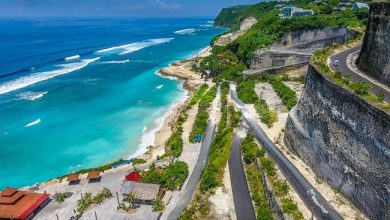
Uluwatu is among the most beautiful places in Bali, particularly for travelers who enjoy spectacular coastal scenery. Located on the Bukit Peninsula in southern Bali, this destination is famous for its dramatic limestone cliffs, turquoise ocean views, surfing beaches, and spectacular sunsets. The landscape feels noticeably different from the green inland countryside around Ubud. Here, rugged coastal formations meet the deep blue Indian Ocean, creating some of the island’s most impressive viewpoints.
The most famous landmark is Uluwatu Temple, also known as Pura Luhur Uluwatu. Positioned on a cliff approximately 70 meters above the ocean, this important Balinese Hindu temple provides breathtaking views across the coastline. Many travelers visit in the late afternoon to enjoy the sunset and watch the traditional Kecak Fire Dance performed in an open-air amphitheater. The combination of rhythmic chanting, traditional storytelling, and a colorful sunset makes this one of Bali’s memorable cultural experiences.
Uluwatu also has several beautiful beaches worth exploring. Padang Padang Beach is known for its compact sandy bay and impressive surrounding rock formations. Bingin Beach offers a more relaxed atmosphere, with beachfront cafés and excellent surfing conditions. Meanwhile, Melasti Beach attracts visitors with its white sand, clear water, and towering limestone cliffs.
For a more complete sightseeing experience, combine Uluwatu Temple with Melasti Beach, Padang Padang, or nearby Garuda Wisnu Kencana Cultural Park. Allow enough time for traffic, particularly during the late afternoon when visitors travel toward the popular sunset viewpoints.
Best for: Sunset photography, beaches, surfing, coastal scenery, and cultural performances.
3. Tanah Lot Temple: Bali’s Iconic Ocean Temple
Tanah Lot Temple is one of the most recognizable landmarks on the island and a must-visit destination for travelers interested in Balinese culture and coastal landscapes. Located in Tabanan Regency, this historic sea temple stands on a rocky formation surrounded by ocean water. During high tide, the waves separate the temple from the mainland, creating the appearance of a sacred building floating above the sea. This distinctive landscape has made Tanah Lot one of the most photographed attractions in Bali.
The temple holds an important place in Balinese Hindu tradition and is associated with spiritual protection of the island’s coastline. Visitors can explore the surrounding grounds, discover smaller shrines, enjoy traditional architecture, and learn about the religious significance of the location. While access to the main sacred areas is restricted to authorized worshippers, the surrounding viewpoints provide excellent opportunities to appreciate the temple from different angles.
Sunset is undoubtedly the most popular time to visit Tanah Lot. As the sun approaches the horizon, the sky changes color while waves crash against the rocky shoreline. The combination of ocean scenery and temple architecture creates an unforgettable atmosphere for photographers and couples.
However, Tanah Lot is worth visiting outside sunset hours too. Arriving earlier can help you avoid some of the heaviest crowds and enjoy more time exploring the surrounding attractions. You can combine your visit with Taman Ayun Temple or nearby countryside destinations in Tabanan.
Best for: Cultural sightseeing, ocean views, photography, architecture, and sunset experiences.
4. Nusa Penida: Explore Bali’s Spectacular Island Scenery
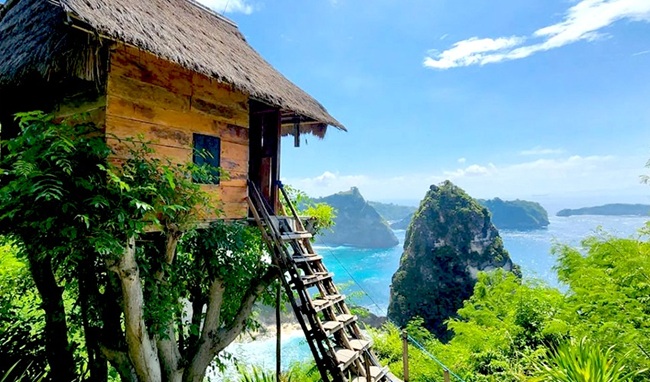
Nusa Penida is one of the most spectacular places to see in Bali, although geographically it is a separate island southeast of mainland Bali. Known for its dramatic limestone cliffs, beautiful beaches, turquoise waters, and impressive coastal formations, Nusa Penida attracts travelers looking for extraordinary landscapes and outdoor adventures. The island has a more rugged atmosphere than many developed beach destinations, making it an exciting choice for visitors who enjoy discovering natural attractions.
Kelingking Beach is probably its most recognizable landmark. The enormous limestone headland resembles the shape of a dinosaur, creating a distinctive landscape that has become one of Bali’s most famous photography locations. Visitors can enjoy the spectacular viewpoint from above or undertake the steep descent toward the beach. The downhill trail is physically demanding, so travelers should assess the conditions and their fitness before attempting it.
Diamond Beach is another remarkable destination on the eastern side of the island. Its white sand, turquoise water, and dramatic limestone formations create a postcard-like setting. Nearby Atuh Beach offers another beautiful coastal landscape, with towering cliffs surrounding a sheltered bay.
On the western side, Broken Beach and Angel’s Billabong are two popular natural attractions. Broken Beach features a circular coastal formation with an enormous natural arch through which ocean water flows. Angel’s Billabong is a natural rock pool shaped by the surrounding limestone formations, although swimming conditions can be dangerous when waves are strong.
A trip to Nusa Penida usually involves a fast boat from Sanur Harbour, followed by land transportation around the island. Because attractions are spread across different areas, planning your route in advance is essential.
Best for: Dramatic landscapes, photography, island adventures, beaches, and coastal sightseeing.
5. Tirta Empul Temple: Experience Bali’s Spiritual Heritage
Tirta Empul Temple is one of the most meaningful cultural attractions in Bali. Located in Tampaksiring, Gianyar Regency, this sacred Hindu water temple is famous for its natural spring and traditional purification ceremonies. The temple offers visitors an opportunity to understand the spiritual traditions that continue to influence everyday life in Balinese communities.
The most distinctive feature of Tirta Empul is its purification pool, where several water spouts release fresh spring water. Balinese Hindu worshippers visit the temple to perform Melukat, a traditional purification ritual associated with spiritual cleansing and renewal. Visitors can observe the ceremonies and, where permitted, participate respectfully by following the temple’s instructions and local customs.
Beyond the purification area, the temple complex contains traditional courtyards, shrines, stone carvings, and beautiful architectural details. Walking through its grounds provides a closer look at the relationship between water, spirituality, and Balinese Hindu beliefs.
The surrounding Tampaksiring countryside also offers attractive scenery, making this destination suitable for a broader cultural sightseeing journey. Tirta Empul can be combined with Goa Gajah, Gunung Kawi, or Tegallalang Rice Terrace, depending on your starting location and available time.
When visiting, wear appropriate clothing and respect religious activities taking place inside the complex. A sarong is generally required, and special rules apply to participation in purification rituals.
Best for: Spiritual experiences, traditional ceremonies, temple architecture, and cultural education.
6. Mount Batur: Enjoy an Unforgettable Sunrise
Mount Batur is one of Bali’s most famous natural attractions and an excellent destination for travelers who enjoy outdoor adventures. Located in the Kintamani region of Bangli Regency, this active volcano rises above a dramatic landscape of volcanic hills and Lake Batur. The surrounding area offers spectacular scenery, particularly during early morning hours when the mountain peaks are often surrounded by mist.
The most popular activity is the Mount Batur sunrise trek. Most hiking experiences begin during the early morning, allowing visitors to reach the summit before sunrise. From the top, you can enjoy panoramic views of Lake Batur, neighboring mountains, and the surrounding volcanic landscape as the sky gradually becomes brighter. On clear mornings, the scenery can be particularly impressive.
The trek generally requires a reasonable level of physical fitness because the trail includes uneven volcanic terrain and steep sections. Hiring an experienced local guide is recommended, especially for visitors unfamiliar with the mountain and its hiking routes. Weather conditions can also change, so appropriate footwear and warm clothing are useful.
If hiking isn’t your preferred activity, you can still enjoy the Kintamani region through scenic viewpoints, local restaurants, and visits to Lake Batur. The area provides a relaxing alternative for visitors who want mountain scenery without undertaking a challenging climb.
Mount Batur is best combined with nearby attractions in Kintamani or a visit to traditional villages around the volcanic landscape.
Best for: Sunrise photography, mountain scenery, hiking, adventure, and nature.
7. Jatiluwih Rice Terraces: Experience Bali’s Green Landscapes
Jatiluwih Rice Terraces are among the most beautiful natural and cultural landscapes in Bali. Located in Tabanan Regency, this expansive agricultural area is famous for its rolling green rice fields that stretch across the slopes of the surrounding mountains. Unlike smaller rice terraces closer to busy tourist centers, Jatiluwih offers a more spacious countryside experience with impressive panoramic views.
The landscape is particularly important because it reflects the traditional Subak irrigation system, a community-based water management practice that has shaped Balinese agriculture for centuries. The cultural landscape of Bali’s Subak system, including Jatiluwih, is recognized as part of the UNESCO World Heritage property known as the Cultural Landscape of Bali Province.
Visitors can explore designated walking routes, enjoy the fresh mountain air, take photographs, and stop at restaurants overlooking the rice fields. Depending on the season, the landscape changes from bright green rice plants to golden fields approaching harvest time.
Jatiluwih is also an excellent destination for travelers who want to understand the relationship between Balinese culture and nature. The surrounding countryside provides opportunities to observe traditional farming practices and appreciate the slower pace of rural life.
For a memorable sightseeing experience, combine Jatiluwih with Taman Ayun Temple or Tanah Lot. Since the attractions are located in the Tabanan area, they can work well together in a western Bali sightseeing itinerary.
Best for: Rice terraces, countryside scenery, photography, walking, and cultural landscapes.
8. Ulun Danu Beratan Temple: A Beautiful Highland Landmark
Ulun Danu Beratan Temple is one of the most photographed cultural attractions in Bali. Situated beside Lake Beratan in the cool highlands of Bedugul, this beautiful temple complex is surrounded by mountains, gardens, and peaceful lake scenery. Its distinctive architecture appears to float above the water when the lake level and weather conditions create the right visual effect.
The temple is dedicated to Dewi Danu, the goddess associated with lakes and water in Balinese Hindu tradition. Lake Beratan plays an important role in the agricultural water supply of the surrounding region, making the temple an important cultural and spiritual landmark.
Visitors can explore the temple grounds, admire the multi-tiered shrines, enjoy the mountain atmosphere, and take photographs overlooking the lake. The surrounding gardens are also attractive, offering additional viewpoints and relaxing walking areas.
Bedugul has several other attractions that make the journey worthwhile. You can visit the nearby Bali Botanic Garden, explore Lake Buyan and Lake Tamblingan, or stop at scenic viewpoints around the highlands. The cooler temperatures also provide a pleasant contrast to the warmer coastal areas.
Ulun Danu Beratan is particularly beautiful in the morning, when the surroundings can feel peaceful and mist sometimes covers the mountains.
Best for: Temple architecture, lake scenery, photography, gardens, and highland sightseeing.
9. Tegenungan Waterfall: Discover a Tropical Natural Attraction
Tegenungan Waterfall is one of the most accessible and popular waterfalls in Bali. Located in Kemenuh Village, Gianyar Regency, this impressive waterfall attracts visitors with its powerful water flow, tropical vegetation, and scenic natural surroundings. Unlike some waterfalls located deep within the northern mountains, Tegenungan is relatively convenient to reach from Ubud and several southern tourist areas.
The waterfall is surrounded by dense greenery and rocky formations, creating a beautiful tropical environment. Visitors can enjoy viewpoints overlooking the cascading water before descending the stairs toward the lower area. The journey involves steps, so comfortable footwear is recommended.
Depending on the water conditions and local safety instructions, visitors may have opportunities to enjoy the water near the waterfall. However, swimming is not always advisable, particularly after heavy rainfall when currents become stronger and water levels rise.
Several cafés and viewing areas around Tegenungan provide places to relax and appreciate the scenery. Early morning visits can offer a more peaceful experience before the busiest sightseeing hours.
If you’re exploring Ubud, Tegenungan can be combined with Goa Gajah, Ubud Monkey Forest, or other cultural attractions in Gianyar. It is a particularly convenient choice for travelers who want to include a natural attraction without spending an entire day traveling to northern Bali.
Best for: Waterfall sightseeing, tropical scenery, photography, and nature.
10. Lempuyang Temple: Visit the Famous Gates of Heaven
Lempuyang Temple is one of the most iconic cultural landmarks in eastern Bali. Located in Karangasem Regency, this sacred temple complex is famous for its traditional split gateway, commonly called the Gates of Heaven. The gateway offers an impressive view toward Mount Agung, creating one of the island’s most recognizable photographic compositions.
Pura Lempuyang Luhur is also an important spiritual destination for Balinese Hindus. The temple complex consists of several sacred locations along the slopes of Mount Lempuyang, and reaching the higher temples involves a substantial uphill journey. Most sightseeing visitors focus on the famous gateway area rather than attempting the entire pilgrimage route.
The surrounding landscape is particularly attractive during clear weather, when Mount Agung becomes visible in the background. Because this destination is popular for photography, waiting times can occur, especially during busy travel periods.
Visitors should remember that Lempuyang remains a sacred religious site rather than simply a photography location. Appropriate clothing and respectful behavior are essential. Follow the local rules, particularly around photography and access to religious areas.
You can combine Lempuyang Temple with Tirta Gangga Water Palace, Taman Ujung, or other eastern Bali attractions. These destinations create a rewarding sightseeing journey through Karangasem’s cultural and natural landscapes.
Best for: Cultural experiences, mountain views, photography, and traditional architecture.
11. Tirta Gangga Water Palace: Explore Royal Balinese Architecture
Tirta Gangga Water Palace is one of the most beautiful historical attractions in eastern Bali. Located in Karangasem Regency, this former royal water palace is famous for its decorative pools, stone sculptures, fountains, gardens, and traditional Balinese architecture. Its name is associated with the sacred Ganges River, reflecting the site’s spiritual and cultural influences.
The palace was developed under the Karangasem royal family and features a distinctive combination of traditional Balinese design and other architectural influences. Visitors can walk across decorative stepping stones placed over the water, admire ornamental fountains, and explore the surrounding gardens.
One of the most recognizable features is the series of stone platforms arranged across the large ornamental pond. These stepping stones allow visitors to walk above the water while observing fish swimming beneath their feet. The palace’s carefully arranged gardens and sculptures also create excellent photography opportunities.
Tirta Gangga offers a peaceful sightseeing experience compared with some of Bali’s busier attractions. Visitors can spend time exploring the different sections of the complex while learning about its royal history.
The attraction is particularly suitable for combining with Lempuyang Temple and Taman Ujung Water Palace. Together, these destinations provide a fascinating introduction to the historical heritage of eastern Bali.
Best for: Historical architecture, gardens, photography, royal heritage, and peaceful sightseeing.
12. Penglipuran Village: Discover Traditional Balinese Life
Penglipuran Village is one of Bali’s most interesting cultural destinations, especially for travelers who want to discover traditional village life. Located in Bangli Regency, this village is recognized for its orderly layout, traditional Balinese houses, stone pathways, and well-preserved cultural traditions.
Walking through Penglipuran feels different from exploring Bali’s modern tourist centers. The village’s main pathway runs between traditional residential compounds, allowing visitors to appreciate the architectural details and everyday surroundings. Many homes feature traditional gates, family temples, and courtyards that reflect the island’s cultural heritage.
The village is also known for its bamboo forest, which offers a pleasant natural environment for walking and photography. The surrounding landscape provides another perspective on the relationship between traditional communities and their natural surroundings.
Penglipuran is an excellent destination for travelers interested in cultural education rather than simply visiting scenic viewpoints. You can learn about traditional household layouts, local customs, and community practices while supporting the village through responsible tourism.
A visit can be combined with Kintamani, Mount Batur viewpoints, or nearby cultural attractions in Bangli. This makes Penglipuran a useful stop for visitors exploring central and eastern Bali.
Best for: Traditional villages, local culture, architecture, bamboo forests, and photography.
13. Amed: Enjoy Snorkeling, Diving, and Coastal Scenery
Amed is one of the most beautiful coastal destinations in eastern Bali, offering a relaxed atmosphere and excellent opportunities for underwater exploration. Located in Karangasem Regency, this coastal area consists of several small fishing villages known for their black volcanic sand, traditional fishing boats, coral reefs, and impressive views of Mount Agung.
Unlike the busy beach resorts in southern Bali, Amed provides a quieter environment where visitors can enjoy snorkeling, scuba diving, and coastal sightseeing. Several snorkeling locations can be accessed from the shore, making it convenient for travelers who want to explore marine life without joining a long boat excursion.
One of the most popular underwater attractions nearby is the USAT Liberty shipwreck at Tulamben. This historic wreck has become an internationally recognized diving location and attracts underwater photographers and experienced divers. Its marine environment supports a variety of tropical fish and other sea life.
On land, Amed offers scenic coastal roads, traditional salt-making activities, small restaurants, and peaceful viewpoints. The combination of mountains and ocean creates a distinctive landscape that is particularly attractive during sunrise.
Amed is an excellent destination for travelers who prefer slower holidays, diving experiences, and quieter natural surroundings. It can also be included in an eastern Bali sightseeing itinerary with Tirta Gangga and Lempuyang Temple.
Best for: Snorkeling, scuba diving, coastal scenery, traditional fishing villages, and relaxation.
14. Munduk: Discover Bali’s Hidden Natural Gems
Munduk is a beautiful mountain village in northern Bali that deserves more attention from travelers seeking peaceful natural attractions. Located in Buleleng Regency, this highland destination is known for its cool climate, tropical forests, coffee plantations, mountain viewpoints, and impressive waterfalls.
The surrounding landscape offers a refreshing alternative to the crowded beaches and busy resort areas. Visitors can explore countryside walking trails, discover traditional agricultural areas, and enjoy panoramic views of the mountains and nearby lakes.
Munduk is particularly famous for its waterfalls. Munduk Waterfall, Banyumala Twin Waterfalls, and several smaller cascades offer opportunities to experience Bali’s natural beauty. Reaching some of these locations involves walking along forest paths and descending steps, so comfortable footwear is essential.
The nearby Twin Lakes, Lake Buyan and Lake Tamblingan, are also worth visiting. These mountain lakes are surrounded by dense vegetation and provide beautiful viewpoints for photography. The area is especially attractive in the morning, when mist sometimes creates a dramatic atmosphere above the water.
Munduk is ideal for visitors who want to explore Bali beyond its most famous attractions. Consider spending a night in the area if you want more time to enjoy its waterfalls, scenic countryside, and peaceful mountain environment.
Best for: Waterfalls, mountain scenery, nature walks, coffee plantations, and hidden gems.
15. Sanur: Enjoy a Relaxing Coastal Escape
Sanur is one of the most relaxing coastal destinations in Bali and an excellent choice for visitors who prefer a quieter beach atmosphere. Located on the southeastern coast, this seaside area is known for its relatively calm waters, traditional fishing boats, beachfront restaurants, and beautiful sunrise views.
Unlike some of the island’s more energetic beach destinations, Sanur offers a slower pace of life. Its coastal promenade is ideal for walking or cycling, allowing visitors to enjoy ocean views while exploring the beachfront environment. The calm atmosphere also makes the area popular with families and travelers looking for comfortable seaside accommodation.
One of Sanur’s most appealing features is its sunrise scenery. Early in the morning, the coastline offers beautiful views across the water, sometimes with Mount Agung visible in the distance under favorable weather conditions. Traditional fishing boats add another distinctive element to the landscape.
Sanur is also an important departure point for fast boats traveling to Nusa Penida and Nusa Lembongan. This makes it a convenient destination for travelers planning island excursions.
For visitors interested in a relaxed sightseeing experience, Sanur offers an enjoyable combination of beach activities, restaurants, local culture, and coastal scenery.
Best for: Sunrise views, family holidays, cycling, relaxing beaches, and island connections.
How to Choose the Best Bali Travel Destinations
Choosing the right destinations depends on your interests, travel duration, and preferred holiday atmosphere. Bali has attractions spread across different regions, and visiting several locations in one day requires careful planning. Rather than trying to see everything, focus on destinations that offer experiences you genuinely enjoy.
If you love cultural experiences, Ubud, Tirta Empul, Penglipuran, and Lempuyang Temple are excellent choices. Travelers interested in natural scenery can prioritize Mount Batur, Munduk, Jatiluwih, and Tegenungan Waterfall. Meanwhile, beach lovers and photography enthusiasts may prefer Uluwatu, Nusa Penida, Amed, and Sanur.
Your accommodation location also matters. Staying in Ubud makes it easier to explore central Bali, while Seminyak, Canggu, and Kuta provide convenient access to several southern destinations. Visitors staying in eastern Bali can explore Karangasem’s temples, water palaces, and coastal villages more comfortably.
Consider the following general travel guide:
| Travel interest | Recommended destinations |
| Culture and temples | Ubud, Tirta Empul, Tanah Lot |
| Beaches and ocean views | Uluwatu, Sanur, Amed |
| Photography | Nusa Penida, Lempuyang, Jatiluwih |
| Waterfalls | Tegenungan, Munduk, Banyumala |
| Mountains and sunrise | Mount Batur, Kintamani |
| Traditional villages | Penglipuran |
| Relaxation | Sanur, Amed, Munduk |
| Rice terraces | Tegallalang, Jatiluwih |
A well-planned itinerary should also account for travel distances. For example, visiting Ubud, Tanah Lot, and Lempuyang Temple in one day may involve considerable driving. Organizing your sightseeing activities by geographical region can make your holiday more comfortable and enjoyable.
Best Time to Visit Bali’s Tourist Attractions
Bali is a year-round destination, but weather conditions can influence which attractions are most enjoyable. The island generally experiences a dry season and a wet season, with local conditions varying depending on elevation and geographical location.
The dry season, usually between April and October, is popular for outdoor sightseeing, beach activities, hiking, and island excursions. These months generally provide more favorable conditions for visiting coastal attractions, exploring rice terraces, and enjoying mountain viewpoints. July and August are particularly busy travel months, so booking accommodation and popular activities in advance is recommended.
The wet season, generally from November to March, brings more frequent rainfall and higher humidity. However, this period can also be attractive for travelers who enjoy lush tropical landscapes and fewer visitors at certain attractions. Waterfalls may have stronger flows, and rice fields can appear especially green. On the other hand, heavy rainfall can affect hiking trails, road conditions, and ocean activities.
For sightseeing, early mornings are often the most comfortable time to explore. You can avoid some of the midday heat and reach popular attractions before the largest visitor groups arrive.
Remember that Bali’s weather is not always predictable. Check local forecasts and activity conditions before planning mountain hikes, boat trips, or visits to exposed coastal viewpoints.
Tips for Planning Your Bali Sightseeing Trip
Exploring Bali can be an unforgettable experience when you organize your journey carefully. Although the island may appear relatively small on a map, traffic conditions and winding roads can make journeys between attractions longer than expected. A few practical considerations can help you enjoy more destinations without making your holiday feel rushed.
1. Organize destinations by region. Group attractions located near one another instead of traveling across the island repeatedly. For example, combine Lempuyang Temple, Tirta Gangga, and Taman Ujung on an eastern Bali sightseeing day. Similarly, Ubud Palace, Saraswati Temple, and Tegallalang Rice Terrace can work well together.
2. Choose suitable transportation. Renting a scooter may be convenient for experienced riders, but it isn’t suitable for everyone. Hiring a private driver can be a comfortable alternative, particularly for families, couples, and small groups visiting multiple attractions. A local driver can also help you understand the surrounding areas and adjust your schedule when necessary.
3. Start early for popular attractions. Locations such as Kelingking Beach, Tegallalang Rice Terrace, and Lempuyang Temple can become crowded during peak hours. Early departures may provide more comfortable sightseeing conditions and better opportunities for photography.
4. Respect local traditions. Temples and traditional villages are important parts of Balinese culture. Wear appropriate clothing, follow visitor instructions, and avoid disturbing religious ceremonies. When entering sacred areas, always respect restrictions on access and photography.
5. Prepare for outdoor activities. Comfortable shoes, sunscreen, drinking water, and suitable clothing are important when visiting waterfalls, mountains, rice terraces, and beaches. Some attractions require walking down steep steps or across uneven terrain.
6. Allow enough time between attractions. Don’t underestimate Bali’s traffic, especially around popular resort areas. A realistic itinerary with fewer stops is often more enjoyable than trying to visit too many destinations in a single day.
7. Check attraction information before visiting. Entrance fees, opening hours, access conditions, and local regulations can change. Verify current information through official attraction channels or reliable local sources before departure.
With a little preparation, you can experience Bali’s cultural heritage, natural beauty, and coastal scenery without spending your entire holiday traveling between locations.
Conclusion
Bali offers an extraordinary variety of destinations, making it one of Southeast Asia’s most rewarding places to explore. From the cultural atmosphere of Ubud and the dramatic cliffs of Uluwatu to the breathtaking beaches of Nusa Penida and the peaceful mountain landscapes of Munduk, every region offers something different.
The island’s famous temples, traditional villages, rice terraces, waterfalls, and coastal attractions provide opportunities to experience much more than a typical beach holiday. Whether you’re interested in photography, adventure, cultural discovery, or simply relaxing in beautiful surroundings, there are plenty of must visit places in Bali to make your journey memorable.
The best approach is to choose destinations based on your interests and organize your itinerary around nearby attractions. You don’t need to visit every famous landmark to appreciate the island. Sometimes, a quiet morning in a traditional village or an afternoon overlooking a beautiful rice terrace can become the highlight of your holiday.
If you’re planning your first visit, consider combining cultural experiences in Ubud, coastal sightseeing in southern Bali, and a day exploring the island’s remarkable natural landscapes. With the right itinerary, you’ll discover why Bali continues to attract travelers looking for unforgettable experiences.
Frequently Asked Questions
1. What are the best places to visit in Bali for first-time visitors?
For first-time visitors, some of the best destinations include Ubud, Uluwatu Temple, Tanah Lot, Tegallalang Rice Terrace, Nusa Penida, and Ulun Danu Beratan Temple. These attractions provide a good introduction to Bali’s cultural heritage, natural landscapes, beaches, and traditional architecture. Combining destinations from different regions can help you experience the island’s diversity.
2. What is the most beautiful place in Bali?
Bali has many beautiful destinations, and the best choice depends on personal preferences. Nusa Penida is famous for its dramatic coastal cliffs and turquoise waters, while Jatiluwih offers spectacular green rice terraces. Uluwatu is particularly attractive for ocean views and sunsets, while Munduk is an excellent choice for waterfalls and mountain scenery.
3. How many days are enough to explore Bali?
Around seven to ten days is a reasonable amount of time to explore several major destinations in Bali without rushing too much. You can spend a few days around Ubud, explore southern beaches and temples, and dedicate additional time to northern or eastern Bali. Travelers interested in exploring more remote destinations may benefit from a longer stay.
4. What are the best hidden gems in Bali?
Some destinations that offer a quieter alternative to Bali’s busiest tourist attractions include Munduk, Sidemen, Lake Tamblingan, Banyumala Twin Waterfalls, Tenganan Village, and parts of Amed. These locations provide opportunities to discover traditional communities, peaceful countryside, mountain scenery, and beautiful natural environments.
5. What is the best way to explore Bali’s tourist attractions?
The best transportation option depends on your experience, itinerary, and group size. Experienced riders may prefer renting a scooter for shorter journeys, while families and travelers visiting multiple attractions may find a private car with a local driver more convenient. Organizing attractions by geographical region is also important because traffic can make cross-island journeys time-consuming.[]