PLN Electricity Metering and Payments for Monthly Bali Villas

Choosing between a prepaid meter and a postpaid meter affects monthly budgeting and daily habits. This section explains how each system works at ground level and offers clear checks to perform when you move into a villa and compare options via monthly villa booking so you can avoid surprises and control costs.
How prepaid meters work for tenants
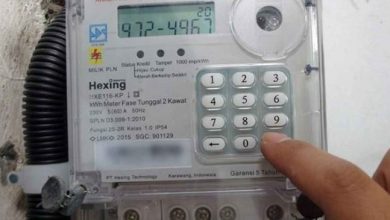
Prepaid meters require purchasing a token code that you enter into the physical meter to add energy credit. Tokens are sold at local kiosks banks and mobile top up services and the meter will show remaining kWh after each purchase.
For renters this means you pay as you go and can limit overspend. Practical steps include noting the meter serial recording the displayed credit at move in and keeping screenshots or receipts of token purchases. Expect typical small villas with one to two air conditioned bedrooms to use roughly three hundred to six hundred kWh per month while larger three or four bedroom villas with constant AC use may consume eight hundred to fifteen hundred kWh per month.
How postpaid meters work for tenants
Postpaid meters generate a monthly bill from PLN after usage is recorded. Billing cycles are fixed and the landlord or the tenant receives an invoice that must be paid by the due date. This arrangement shifts timing of payment but not necessarily overall cost.
When a villa uses a postpaid arrangement ask for a recent bill to confirm tariff and meter number and request the billing cycle date. Clarify whether the landlord pays the PLN invoice directly and then charges you or whether you will be added to the account. Note that postpaid arrangements can make it harder to control day to day cost spikes from heavy AC or pool pump use.
Which option suits monthly renters in Bali
Prepaid meters are often simpler for monthly renters because they tie consumption to immediate payments and avoid disputes over invoicing. Postpaid meters can be fine if the landlord provides transparent monthly statements and caps or agreed limits are written into the rental terms.
Before signing confirm meter capacity in VA because larger capacity reduces risk of tripped supply when many appliances run at once. Record the meter reading and the meter type at check in and include that record in the inventory. Clear written agreement on who tops up or pays bills will prevent most disputes.
In short check the meter type at arrival record readings and agree responsibility for top ups or bills. These actions protect your budget and keep your monthly stay in Bali predictable and comfortable.
How landlords track usage and calculate tenant bills
Landlords in Bali use a few clear practices to keep electricity billing fair and transparent for monthly renters. The approach usually depends on the meter type and whether utilities are shared among guests or accounted for per villa.
- Regular meter readings and photographic proof
- Most landlords record the meter reading at check in and check out and then take a photo each billing cycle to document usage. This creates an indisputable record that tenants can review if a question arises.
- Using prepaid token records for immediate accounting
- When a villa uses a prepaid meter landlords keep copies of token purchase receipts or screenshots and subtract the kWh added from the starting balance to calculate how much energy was consumed during the rental period.
- Monthly invoices for postpaid meters
- For postpaid supply landlords review the official PLN bill and present the tenant with a clear breakdown showing meter number starting reading ending reading and the total kWh multiplied by the tariff to reach the billed amount.
- Allocating shared usage for common areas
- Shared items such as pool pumps garden lights and outdoor areas are commonly split either by a fixed percentage or by agreement where each tenant pays a portion based on the number of occupied bedrooms.
- Pro rata calculations for partial months
- When a stay does not cover a full billing cycle landlords calculate daily consumption by dividing monthly usage by the number of days in the billing period and charge the tenant only for the days they occupied the villa.
- Agreed caps and communication to limit surprises
- Many landlords set an agreed kWh cap or soft budget and notify tenants when usage approaches that level so renters can reduce heavy appliances and avoid unexpectedly high charges.
To avoid disputes request a copy of the meter reading record and any token receipts at move in and confirm how shared loads are apportioned. A short written clause in the rental agreement that states who pays which bills and how calculations are done will keep accounting straightforward and your monthly stay calm and predictable.
Buying PLN tokens and topping up electricity for your villa
Buying PLN tokens is straightforward once you know the meter number and the common purchase channels. First record the meter ID printed on the meter face and the current credit reading at check in. Tokens are sold in fixed rupiah amounts such as 20 000 50 000 100 000 200 000 and 500 000 which you can buy at local kiosks small supermarkets bank mobile banking apps and dedicated top up outlets. When you buy a token you provide the meter ID and receive a numeric code of up to twenty digits. Enter that code carefully into the meter keypad and wait for the confirmation tone and the updated credit display. Always save the receipt or take a screenshot of the transaction so you can match purchases to the meter display later. For convenience many renters use mobile banking or a payment app to top up instantly at any hour while others prefer to purchase tokens in person to keep tangible proof. If someone else tops up on your behalf ask them to send you a photo of the token code entry confirmation and the receipt. If the meter does not accept a token or the credit does not appear note the transaction time and contact the seller or PLN customer service and supply the meter ID transaction receipt and payment evidence. For villas with high air conditioning use consider larger token denominations to avoid frequent top ups. Keep a simple log of purchases with dates amounts and meter readings so you can review monthly consumption and discuss any discrepancies with the villa owner. Clear communication about who will handle topping up and how receipts are shared will make monthly budgeting simple and keep your stay comfortable and uninterrupted.
Splitting and capping utilities in monthly rental agreements
Clear terms for splitting and capping utilities make monthly villa living predictable and fair. This section outlines practical ways owners and renters apportion electricity and water costs and gives concrete examples of caps and fee handling you can request be written into the rental agreement.
Common splitting methods
Landlords typically use one of three methods to divide utility costs when multiple guests or units share a property. Each method has advantages depending on villa size and guest turnover.
Fixed per bedroom fee
A straightforward option is a set monthly sum added to rent for each occupied bedroom. This works well when usage patterns are similar across rooms and when the landlord prefers simple accounting. Suggestion amount ranges from modest contributions to cover basic lighting and fans up to higher sums when air conditioning use is included.
Pro rata by days occupied
For staggered arrivals or partial months rent and utilities are prorated by days occupied. Landlords measure total kWh for the billing cycle divide by the number of days and charge the tenant only for their stay days. This avoids billing full cycles to short term tenants.
Submetering or dedicated meters
When possible installing submeters for bedrooms or apartments gives exact usage per unit. Submetering requires an initial investment but eliminates estimation and conflict. Where a dedicated meter exists charge actual consumption at the PLN tariff plus a small administration fee.
Setting realistic kWh caps and monitoring
Caps protect tenants from surprise bills while ensuring owners recover typical costs. A sensible cap is based on villa size and appliance load. For a one to two bedroom villa a cap of around 300 to 600 kWh per month is common. For a three to four bedroom villa 800 to 1 500 kWh may be more realistic when air conditioning runs daily.
Notification triggers
Include an early warning threshold in the agreement such as notifying the tenant when 75 percent of the cap is reached. Notifications can be by photo of the meter a message in a chat app or an emailed statement of remaining credit.
Enforcement billing and dispute handling
Agree on the overage rate and any administration charge in advance. Typical practice is to bill overages at the actual PLN rate plus ten percent administration to cover handling. Require the landlord to provide the official PLN bill or token receipts when asking for payment. Include a timeline for disputes such as three working days for review and a joint meter inspection option.
Put all arrangements in writing record the initial meter reading and share receipts automatically. With clear splitting rules caps and notification steps monthly utility accounting becomes transparent and manageable for both parties.
Common billing issues disputes and how to resolve them
Billing disagreements are one of the few practical headaches that can spoil a monthly villa stay. Most disputes are simple to fix when both parties keep clear records and follow a short process. This section explains the typical fault lines and provides pragmatic steps renters and landlords can follow to reach a fair result quickly.
Where disagreements usually begin
Problems typically start with mismatched evidence. Examples include a tenant seeing a lower remaining credit on the meter than the receipts suggest or a landlord receiving a PLN bill that does not match the meter photos provided by the guest. Other common causes are shared loads that were not agreed in writing and accidental purchases of tokens for the wrong meter number.
Most of these issues are evidence problems rather than technical faults. If both sides routinely note the meter serial record readings and keep receipts or screenshots the resolution becomes a matter of comparing documents rather than arguing about intent.
Below are four concrete dispute scenarios and practical resolution steps to try first.
- Mismatch between recorded reading and official bill
Ask the landlord to present the official PLN bill alongside meter photos from the start and end of the billing cycle. If the figures differ request a joint inspection where both parties compare the meter number reading and seal the reading with a time stamped photo. - Token purchase credited to other meter or not showing
Keep the token receipt or payment screenshot and the transaction time. Provide this evidence to the seller or to PLN customer support and ask for a rapid correction. If the villa owner covers top ups have them follow up immediately with the merchant and share the response. - Dispute over shared usage apportionment
Refer to the written rental clause on splitting utilities and recalculate charges together using the documented method. If no clause exists propose a pro rata calculation by days occupied or by agreed bedroom share and record this agreement in writing for the remaining stay. - Sudden high consumption after appliances change
Investigate recent changes such as new air conditioning settings pool pump schedules or additional electrical devices. Temporarily cap usage or request an energy audit and agree on a short term cap while the cause is identified.
When informal steps fail set a short timeline for escalation such as three working days for a joint review and evidence submission. Retain all receipts meter photos and messages to support your case. In most situations transparent records and a simple joint meter check resolve the matter without third party involvement and preserve a smooth monthly rental experience.[]